“All You Do Is Read A Book and Tweet About It..”

So, in today’s adventures from Book Blogging Land, I wanted to share with you a little conversation I had with someone (Not A Book Blogger), who, when I told them I wrote about books in my spare time, said the line which I have now immortalised as the title for this Blog Post…

In the last few days, I have been thinking a lot about what I do as a Book Blogger, and I guess what I wanted to share with you all is what happens when I decide to Blog about a book. I hope it helps you if you are new to blogging and don’t know where to start, or if you are just interested in knowing what it involves!

This is only my way of doing things, everyone is different, and there is no right or wrong way to do this (am getting that in there nice and early!)

  • First of all, I choose a book I want to talk about – it could be one from the library, one from my shelves or if I’m lucky, one I have been sent.
  • I have This Book, but I want to make it look attractive, so I spend time taking pictures of This Book, trying different layouts, styles and backgrounds. Finally I have it, cropped, filtered, edited and ready to upload..
  • The next step is to post This Book on my social media feed, hashtagging the title, making sure I tag the author, publisher, date of publication where relevant, where or who I got it from. I only use Twitter and Instagram, but I always make sure I post on both platforms, and do ALL the numerous hashtags on Instagram so that it’s seen by as many people as possible!
  • Then finally I read This Book – while making notes and using post it notes to highlight memorable quotes (I’m 48 years old – I often forget my childrens names or call them by the dog’s name so don’t judge me..!)
  • Hooray, now I’ve read This Book, if I’ve enjoyed it (yes, unapologetically I am a blogger who only posts positive reviews), I tweet and post on Instagram about it – again making sure I tag and hashtag everyone and everything until I can’t tag no more!
  • It’s now time to settle down and spend quite a few hours writing my blog post, and re-writing, and tweaking and checking and finally posting it. This is inbetween dealing with a husband, two teenagers and a bonkers Springer Spaniel.
  • Now I just have to get back on to my social media and tell everyone that I have written a blog post so that they can check it out and comment on it (so now I have to check and respond to all the comments on my Twitter and Instagram feeds as well as anyone who has taken the time to leave a comment on my blog).
  • Time for a cup of coffee.
  • Oooh, I think I need to read another book…
  • It starts all over again – and I love every minute of it…

There you go – some people may do much more than I do, some a lot less, and some just the same.

Do you know what? The only question you need to ask yourself is – do you enjoy doing it? If you do, then that’s all that matters…

Love

Clare xx

The Silent Patient by Alex Michaelides

IMG_2893

Alex Michaelides: The Silent Patient

Published By: Orion Books

Buy It: here

What The Blurb Says:

ALICIA
Alicia Berenson writes a diary as a release, an outlet – and to prove to her beloved husband that everything is fine. She can’t bear the thought of worrying Gabriel, or causing him pain.

Until, late one evening, Alicia shoots Gabriel five times and then never speaks another word.

THEO
Forensic psychotherapist Theo Faber is convinced he can successfully treat Alicia, where all others have failed. Obsessed with investigating her crime, his discoveries suggest Alicia’s silence goes far deeper than he first thought.

And if she speaks, would he want to hear the truth?


What I Say:

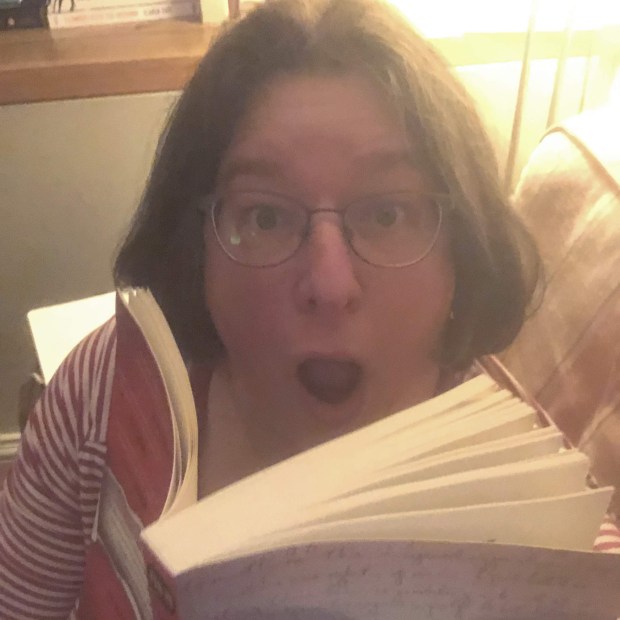
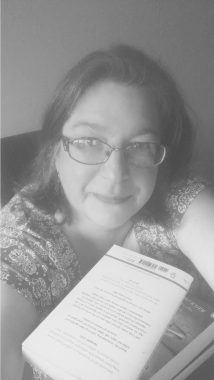
As regular readers (Thank you Mum and Dad), of my blog will know, I am not one for posting pictures or videos of myself on the interweb to publicise books.  Sometimes, when you read something that is so brilliant, that gives you that ‘WHAT THE ??’ reaction, sitting down, firing up your laptop and being witty and erudite at the time is not what it needs.

The picture you see on this blog post, is me, just after I had read #ThatPage of The Silent Patient.  I can honestly say, this is the first novel in a long time that has made me stop and re-read the previous pages to see if I missed any clue, any sign of what was to come (spoiler alert  – not one thing!).

The Silent Patient is the story of Alicia and Gabriel. A happy Instaperfect couple who seemingly have it all.  In love, successful and full of life, they inhabit a world we can only dream of – until Alicia shoots and kills Gabriel, and from that day on she does not speak.

Baffled by her mutism, unable to understand why Alicia killed Gabriel, she is sent to The Grove, a secure unit where she is sedated, silenced and unable to communicate with anyone.

Theo Faber decides that he is the therapist who can finally reach Alicia.  He is determined to be the one person who can make her talk and explain why she killed her husband.  The thing is, Theo is not doing this out of the kindness of his heart, he has an agenda.  He is fully aware of the kudos and celebrity cracking a case like this will bring, and his self-assured manner and downright arrogance means that from the start, you sense that he doesn’t truly have her best interests at heart.  Theo is mesmerised by Alicia, and will do whatever it takes to ensure he is the man she will owe her recovery to.

Alicia’s silence is due in part to the heavy doses of medication she has to take, and when Theo convinces Diomedes, the head of the unit to decrease the dosage so he can start to try and communicate with her, you know that this is finally the start of the process of Alicia’s recovery.

As Theo starts to work with Alicia, his personal life is also brought into focus, we understand that things are not going well for him with his wife Kathy, and he is forced to confront the fact that is own marriage may not be as happy as he believed. As a result, the ethical lines start to become blurred, and Theo researches Alicia’s life before Gabriel was killed.  He becomes increasingly obsessed with Alicia, and wants to be her saviour, which means that he will do whatever he needs to to ensure he is the one person she relies on.

I think that the notion of power is a very interesting one that runs throughout this book. Theo believes he is the powerful one as he has the academic knowledge to make that vital breakthrough with Alicia, but increasingly it becomes clear that she has all the power in the relationship.  As she comes off her medication, Alicia does not suddenly start to talk in a bid to prove her innocence.  She delights and frustrates Theo in equal measure, communicating with non verbal gestures, then retreating completely.  It is only when Theo sets up a room for Alicia with all her painting materials that he starts to see she is communicating to him through her art.  It is also worth noting that Alicia at the time of the murder, was working on a self portrait she had called Alcestis – the story of a woman who gave her life for her husband, and when she was returned to life, she was mute, filled with rage that her husband would allow her to sacrifice herself so he could live.

When Alicia gives Theo her diary to read, he feels that he has finally made the breakthrough he had been desperate for, and that his success will only be matched by Alicia’s gratitude. Even more amazingly, when Alicia finally starts to speak, she is able to finally start to fill in the events surrounding Gabriel’s death and make sense of what had happened to her.

From that point on, The Silent Patient twists and turns and pulls and pushes you, hurtling towards that exquisite moment when the penny finally drops, and you will finally understand why I posted that picture!  In The Silent Patient, Alex Michaelides has written a triumphant first novel.  It is perfectly plotted and filled with characters who delight and revolt you with equal measure, as you turn the pages desperate to understand why Alicia does not speak.  The Silent Patient is a debut novel that achieves that rare phenomenon of being an absolute jaw dropping page turner,  but is a clever dissection of the power of speech and mental health too. You will be hearing a lot about this novel, and quite rightly so – it might only be February, but it is one of my novels of the year.

Buy it, read it, and when you get to ‘that moment’, you will understand exactly why I absolutely loved it.

Thank you to Poppy Stimpson and Ben Willis at Orion for gifting me a copy, and to Alex Michaelides for helping me well and truly get my reading mojo back!


The Six Loves of Billy Binns by Richard Lumsden

IMG_2965


Richard Lumsden: The Six Loves of Billy Binns

Published by: Tinder Press

Buy It: here


What The Blurb Says: 

I remember my dreams but not where they start.
Further back, I recall some of yesterday and the day before that. Then everything goes into a haze.
Fragments of memories come looming back like red London buses in a pea-souper.
Time plays funny tricks these days.
I wait for the next memory. I wait and I wait.

At 117 years old, Billy Binns is the oldest man in Europe and he knows his time is almost up. But Billy has a final wish: he wants to remember what love feels like one last time. As he looks back at the relationships that have shaped his flawed life – and the events that shaped the century – he recalls a life full of hope, mistakes, heartbreak and, above all, love.

What I Say:

Billy Binns is the reluctant oldest resident in The Cedars, and he is also (possibly) the oldest man in Europe having been born in 1900.  As Billy is coming to the end of his days, he decides he needs to remember the people who have brought love into his life.

Billy decides that to understand what they meant to him, he wants to write it all down.  In leaving his memoir to his son Archie, he is not only telling him about himself, but also the world he grew up in, and why he is the man he is today.  Billy tells us straight away that the five great loves in his life are Mary, Evie, Archie, Vera and Mrs Jackson.

I think that Richard Lumsden has done something very brave with Billy Binns.  You may disagree, but I have to tell you that at certain times I really didn’t like him.  I didn’t like the choices he made or the things he did, but then, can we honestly say we can hold ourselves up as some sort of perfect mortal!  It is also important to say that if you are looking for some rose tinted remembrances from a kindly old man as he bids farewell to the world, this novel might not be for you!  Billy lies, cheats, tries to kill someone (admittedly because they were violent towards their wife) and makes disastrous choices that make you wince and despair of him.

We follow Billy right from his early years in London working in the Fish Market to when he fakes ID in order to join the army for the First World War, through to his time as a Bus Driver in the Second World War and his eventual arrival at The Cedars.  The depictions of Billy’s military career during World War I are truthful and uncompromising.  It is a testament to Richard’s writing as to how visceral and awful these scenes are, but this is Billy’s life, and we are re-living it with him – otherwise how do we really understand why Billy is who he is, and the true horrors for the men who gave their lives for us.

As we follow Billy, we learn about each of his five loves.  The narrative moves between the present day with Billy having to navigate life at the Cedars, and his recollections of the loves of his past.  Sometimes you are not sure whether you are reading about the past or present, but that is the point of Billy’s reminiscences, he is drifting backwards and forwards, sideways and every way to tell his story.

For me what also made this a different type of novel is that the way Billy deals with sex and relationships is sometimes very uncomfortable to read.  I often felt that Billy was ruled by desire rather than rationale, and some of the descriptions of his encounters didn’t endear Billy to me, in fact, I felt at some points he got what he deserved!

As we follow Billy through his life, and meet his loves, you become completely absorbed in the relationships too.  When they end, certainly for at least one (Sadie!), you want to sit Billy down and have a word with him as to what he is throwing away!  This is the crux of Billy Binns- he is unaware that the best thing he has is right in front of him, and he has to go through all these different relationships and events in his life to ultimately realise it.

Richard also seamlessly intertwines Billy’s life story with the changing social history of Britain.  We learn about the reality for those serving and those who stayed at home for both World Wars, and also what it really means to be British during a time of massive social change.  Issues such as class, women, racism and sexism are tackled, alongside Billy’s own personal experiences of love, loss and growing old in Britain.

The Six Loves of Billy Binns is an ambitious and clever novel, which is filled with humour and tinged with moments of tragedy.  Billy’s life has been full, colourful and determined by his need to love and be loved – whatever the cost.  His moral compass is occasionally off, and sometimes you might not like Billy very much, but his flaws are what make him human and who are we to judge a man for wanting to find his true love?

Thank you very much to Caitlyn Raynor and Tinder Press for my free copy of Billy Binns.

When All Is Said by Anne Griffin


IMG_2963

Anne Griffin: When All Is Said

Published by: Sceptre Books

Buy It: here


What The Blurb Says:

At the bar of a grand hotel in a small Irish town sits 84-year-old Maurice Hannigan. He’s alone, as usual -though tonight is anything but. Pull up a stool and charge your glass, because Maurice is finally ready to tell his story.

Over the course of this evening, he will raise five toasts to the five people who have meant the most to him. Through these stories – of unspoken joy and regret, a secret tragedy kept hidden, a fierce love that never found its voice – the life of one man will be powerfully and poignantly laid bare.

Heart-breaking and heart-warming all at once, the voice of Maurice Hannigan will stay with you long after all is said.

What I Say:

I’m here to remember – all that I have been and all that I will never be again.”

When All Is Said is a rare novel. Why? Well, it is the first time since I started blogging that I was so moved by a book that I was compelled to not only tweet from the rooftops about it, but also to have the confidence to actually film myself talking about it.  I am so far from confident in those types of situations, that until about three years ago, I refused to be photographed.

Why is this at all relevant to this review? Quite simply, When All Is Said is such a pitch perfect exquisite novel, that any self doubt I had (or worries about how I looked to everyone) was replaced by the very real need to tell as many people as possible about it’s brilliance.

Maurice Hannigan goes to the bar at the Rainsford House Hotel bar to raise five toasts to the five most important people in his life.  As he raises a glass to each one; Tony, Milly, Noreen, Kevin and Sadie, he not only tells us why he has chosen to toast these people, but we start to understand who Maurice really is and why he has made the choices he has.

From the start of the novel, as Maurice tells his story to his son Kevin who is now living in the United States, you are immediately drawn in.  You feel as if you are eavesdropping on the conversations of a stranger in a bar, but also there is a sense of unease. Why is Maurice choosing to unburden himself now, at this time?  Is this all part of something else, and if so what?  You cannot help but feel a sense of protectiveness towards him as he reveals the truth behind the man sitting nursing the different glasses.

Maurice starts with a toast to Tony, his elder brother who he completely adored.  It is plain to see that although they grew up in a family filled with love, that they were not rich, and times were tough for them all. Tony’s stability and his presence in Maurice’s life has obviously impacted on him, and we see how Tony helped him overcome the troubles he faced. Tony helped Maurice become the man he is today, and that is something he is grateful for.

What is refreshing about Maurice is that he is never held up in this novel as a perfect man.  He has his faults, and his actions cause huge upsets for those around him.  Life has made him determined to succeed, and his single mindedness and drive means that although we may not always understand why he does what he does, at the heart of Maurice is the desire to ensure everyone is treated as they should be.

When All Is Said is undoubtedly Maurice’s story, but we never forget that he is who he is because of the people in his life who have shaped him.  Molly, his little girl, only lives for fifteen minutes, but her existence enveloped him and his wife Sadie entirely.  As they come to terms with their unspeakable loss, you can imagine every sound, sight and emotion brings them back to the realisation that Molly is not there.

What is so clever and heart rending for me about this novel, is that as the evening wears on, you feel that Maurice is almost in a race to try and confess everything about his life so that he can leave this hotel bar free of the things that have been weighing him down.  Anne Griffin understands perfectly that we all have our secrets, the things we should have said and the things we shouldn’t.  Her skill is that in writing about Maurice, she asks us to look within ourselves and realise that we are all like him.  We have different sides that we show to different people, and that the only person who truly knows everything about us is ourselves.

Maurice’s toast to his sister-in-law Noreen is a beautiful, understated part of the novel.  It is clear to us, that Noreen has special needs, but Maurice’s unwavering acceptance of her made my heart sing.  He and Sadie love her for who she is, and when she unwittingly gets herself involved in a certain situation, Maurice does not think twice about doing what he has to in order to protect her – and I adored him for that.

One of the (many) things I loved about the novel is that not one chapter or line is wasted, you always sense that the novel will end when Maurice has decided his story is told, and not a moment before. He is always the enigmatic storyteller, who weaves his way in and out of his story and into your heart.  I felt that I wanted to protect him, to let him know that the people he loved, loved him right back, and that is testament to Anne Griffin’s extraordinary writing.

As the evening draws to its close, Maurice makes a final two toasts to his son Kevin and his beloved wife Sadie. These are the toasts that for me were the most difficult to read, as you understand that these two people are absolutely his world.  For him, toasting these people brings into focus the fact that no man is an island, and that Maurice needs to be with them to finally feel complete.  As he walks out of the hotel bar, to his room, you truly hope that he finds the peace he deserves.

When All is Said is an astounding novel.  It is about life and death, of love and unspeakable loss.  Of the ordinariness and extraordinariness of our lives.  In Maurice, Anne Griffin has created a character who talks to us all, that makes us adore him on one page, and pull our hair out over him in another.  He is Everyman, and that is why we love him – because we recognise facets of ourself, and what beats at the heart of all of us is the need to love and be loved.

Thank you very much to Louise Court for gifting me a copy of When All Is Said.


Why Bother?


IMG_2982
Well, we are half way through January and this is my first blog post of 2019.

It is also going to be a very honest and frank post to you all.

I have just not had the motivation to blog and am finding it hard to find my voice.  I see other people doing it at an alarmingly impressive rate.  People I know are reading and blogging and tagging and sharing and retweeting and reposting and I’m not.

On New Year’s Day I sat and looked at my screen and ten minutes later the only thing on it was a blinking cursor.  For the past few weeks, all inspiration and desire to blog about books have deserted me.

I get very few views of my reviews and all of a sudden I started to wonder what on earth was the point?  Who really cares if I wax lyrical about a novel, or share a blistering review of something I have loved.  I just didn’t see the value in me reading and blogging anymore.

It’s hard to admit that you just can’t be bothered. I had become almost a reading machine, desperate to keep up with everyone else, and to be ‘seen’ to be reading at an alarming rate, somehow believing that this made me and my views on books and reading more valid.  That if I could do this, I really was part of the Book Blogging Community – who are absolutely my tribe by the way, and are the best group of people I have ever met.

I also realised that I was now waiting to see which proofs I could get too- don’t get me wrong, I am so grateful when I get sent one, and feel very privileged to do so, but I got into that whole Fear Of Missing Out thing.  I was also getting exasperated when I saw other people with the proofs I was longing to read, and me not being able to get hold of them, and not understanding how the ‘system’ worked.  Instead of stepping away from the screen and into a book, I found myself hanging around on Twitter, making sure I was always ready to reply to someone offering proofs.

In my heart of hearts, I knew that this was not what Years of Reading Selfishly should be about. The whole reason I started blogging in 2017 – (yes it really was that long ago!) was because I loved reading and talking about books, and my personal Instagram feed was book after book and recommendation after recommendation.  Nothing made me happier than talking about and recommending books to anyone who wanted to listen, and I had lost that.

Suddenly, getting more followers and likes were more important than the books and reading and that wasn’t right. Having to write about books had become a chore, I wasn’t just telling you all about books I loved, I was trying to make sure I didn’t let anyone down.  I wanted to make sure the publicists knew that when I got a proof I wasn’t just adding it to a pile of books, that the authors knew how much I appreciated what they had written, and that I was showing my fellow bloggers I was taking this seriously.  The thing is, when you are so busy doing all that, you tend to forget why you loved reading in the first place.

Why am I telling you all this? Maybe it’s because this is the only space I can do this for people who understand what I mean.  Maybe it’s because as well as life being too short to read books you don’t love, life is also too short to try and pretend that you are this one woman reading and blogging machine.  I am trying to step away from the noise and the pressure I have been putting myself under and am instead try and find what made me want to start Years of Reading Selfishly in the first place.

I know it’s still here somewhere, but I am no longer afraid to admit that it might take me a while to find my stride again.  Today I wrote two blog posts for books I have truly loved, and it felt brilliant, and if no one reads them, at least I know I meant every word and that the spark was still there.

Love
Clare

xxx

Thank You ….


wp-image-1865673541


Well, 2018 has been quite a year. Being able to escape from the realities of the ever increasingly baffling world outside into the one of books and reading has been the best thing!

I wasn’t sure what to post for my final blog of 2018.

When I was walking my dog, Bertie, with my youngest this afternoon, I asked him what he thought.

‘Simple’, he said. ‘Say Thank You.’

He’s right. We spend so much of our time worrying about what other people think, or trying to be the one that’s heard, that very often the basic things that make people feel appreciated are ignored.

So, Thank You.

Thank you to all the authors without whom there would be no Years Of Reading Selfishly. Thank you for every time you replied to one of my comments, or liked what I had written, it means the world to me and gives me the confidence to keep going.

Thank you to all the lovely people in the Book World who have entrusted me with their proofs or novels and given me the opportunity to read amazing authors and fabulous books. You can never underestimate how much joy Book Post brings, and how much we want to shout about it for you!

Thank you to Buckinghamshire Libraries, who have been fantastic in helping me get hold of the novels I really wanted to review, and being interested in why! Libraries have been such a fundamental part of Years of Reading, and I can’t imagine a world without them..

Thank you to every Book Blogger who has been a brilliant support every time I write a blog post, or have posted something on Twitter or Instagram.

Especially to @thelitaddict_@be_reading @BooksBucks @Bookblogs79 @xMissEmmaxx @bestbookforward @notmaudgonne @ShortBookScribe @corkyorky who are always kind, thoughtful and supportive, and make Twitter a brighter place to be.

To @podsticles @rubiesforjuly @readbynight and @rhode_reads on Instagram, who are endlessly helpful, kind and take the time to chat – thank you.

Thank you especially to @BookishChat who is quite simply the person who has made my Book Blogging journey a blast!

It was fantastic to finally meet her in person at the @YoungWriterAward Ceremony. It might sound cliched to say it, but it really did feel like we had known each other forever, and she has been a wonderful friend and support as we both try to find our paths through the Book Blogging World! Thank you Mand – you are bloody awesome!

IMG_2408

Thank you to @YoungWriterAward for inviting me to my first literary event, and the chance to hear @girlhermes @FJMoz @adamweymouth @LauraSFreeman read from their shortlisted books. It was a wonderful experience, and everyone was so welcoming – to be among people who loved books and talked about them with such passion was phenomenal.

youngwriter

Finally, Thank You to my ever patient family -my husband and two sons, who understand what this all means. They no longer raise their eyebrows every time the postman knocks on the door, with another delivery of books! They keep away from the very pretty book mountain which is teetering precariously in our living room!

Without their love and support, Years of Reading Selfishly would just be another one of those thoughts I had in a fleeting instant and felt I wasn’t able to do anything about!

I want to finish by saying this.

Maybe you have been talking about books to everyone for a long time. Maybe you are just starting out, or wondering whether after all this time all the effort is really worth it. After all, there are thousands of people blogging, tweeting, or instagramming about books aren’t there?

I am a 48 year old, stay at home Mum, who has loved reading for ever – I honestly never believed I could do this.

To you reading this – believe me you can.

You read, you have an opinion, and that’s important. It might be the same as everyone else – it might not. That’s what makes this Bookish Community so amazing – your voice matters, it really does. It takes time and effort, and you have to work at it, but little by little you realise that people are listening to you, talking back, supporting you and are interested in your opinions. That’s why I do what I do and you should too.

Having the courage to start Years Of Reading Selfishly is honestly one of the best decisions I ever made. I really feel like I have found my tribe!

Life’s too short not to try- or to read books you don’t love.

Here’s to 2019, and to talking about lots more fabulous books with you all.

Happy New Year,

Love,

Clare

xxxx

As The Women Lay Dreaming By Donald S. Murray

img_2298

As The Women Lay Dreaming by Donald S. Murray

Published By: Saraband

Buy It: here

What The Blurb Says:

In the small hours of January 1st, 1919, the cruellest twist of fate changed at a stroke the lives of an entire community.

Tormod Morrison was there that terrible night. He was on board HMY Iolaire when it smashed into rocks and sank, killing some 200 servicemen on the very last leg of their long journey home from war. For Tormod a man unlike others, with artistry in his fingertips the disaster would mark him indelibly.

Two decades later, Alasdair and Rachel are sent to the windswept Isle of Lewis to live with Tormod in his traditional blackhouse home, a world away from the Glasgow of their earliest years. Their grandfather is kind, compassionate, but still deeply affected by the remarkable true story of the Iolaire shipwreck by the selfless heroism and desperate tragedy he witnessed.

A deeply moving novel about passion constrained, coping with loss and a changing world, As the Women Lay Dreaming explores how a single event can so dramatically impact communities, individuals and, indeed, our very souls.

What I Say:

“War is hearing other men scream and knowing you can do nothing to help them.”

Thank you to Saraband Books for my copy of As The Women Lay Dreaming in exchange for an honest review of the book.

As The Women Lay Dreaming tells the story of the Iolaire disaster that happened on January 1st 1919.  Tomrod Morrison, a talented artist and thoughtful young man, was on the ship as it went down.  On that night, more than 200 servicemen lost their lives. They were on their way home to their families, after having endured the horrors of war and were full of excitement and hope as to their future.

Tomrod was one of the lucky ones, he got to return to his family, but not to the life he wanted.  The impact of the First World War on his community was massive, lives were lost, families were destroyed, and those who had survived the conflict returned to the Isle of Lewis changed men.

When two decades later, his son in law is unable to cope with looking after his children after the death of their mother, Alasdair and Rachel are sent to live with Tormod and his wife Catriona.  From the moment they step off the ferry onto the island, they are forced to confront the fact that they are not only geographically miles away from what they know, but are isolated by the fact they don’t speak Gaelic, and are outsiders in a world that they didn’t want to come to in the first place.  They struggle to fit in at school, and Rachel not only starts to run away, but also chooses not to speak. It is only the love and consistency of their Grandfather and Catriona that helps the children understand settle and appreciate what being part of a family means.

Our narrator is Alasdair himself, and the novel’s timeline moves between 1992, 1936, and 1918. Alasdair reads through Tomrod’s diaries from 1918 and starts to understand the true hopes and desires of his Grandad, which brings him closer to him. He also learns about what his Grandad and family was going through, and why he and his sister were sent to lived there in 1936.

What is so clever about this novel is that Tomrod’s experience of the Iolaire disaster comes right at the end of the book.  This helps us understand Tomrod, that he had to sacrifice his dreams of becoming an artist in order to look after his family who had been devastated by the First World War.  He had no choice but to be the dutiful son, to ensure that his family could survive.

However, this is not just a novel about one family.  As The Women Lay Dreaming is an emotional exploration of the impact of war, and the aftermath of a massive disaster on a small, isolated island and its community.

The shifting of the timelines, the uncertainty of the future and the grief of the past, unsettle us as readers. We know that the Iolaire will smash into rocks and men will lose their lives, but we just don’t know when.  This sense of unease is apparent for Tomrod and his family.  He has been sent his Grandchildren, who not only have lost their mother but have had to deal with a drunk father incapable of looking after them.  In turn, Tomrod has lost his first wife, and his artistic ability has had to be suppressed in order for him to maintain his own family and be what everyone expects as oppose to what he really wants.

When we finally reach the chapters which graphically details the Iolaire disaster, it is a beautifully written and heart rending depiction of the awful reality of being a part of and a helpless bystander to a horrific tragedy.  Every line of these chapters is filled with the emotional impact of utter helplessness as Iolaire crashes on the rocks, and I felt that I had a moral duty to read and understand the choices the men had to make to survive. From the very first page, the entire time we are reading about life in Lewis, the visit of Alasdair and Rachel, the spectre of Iolaire is always in the background. The reality of what happened when it is revealed, is what makes us understand the enormity of the Iolaire tragedy.

The poetic and descriptive way in which Donald depicts Tomrod’s world and the Island itself, draws the reader in and serves to envelop them completely.  The sense of geographical isolation, coupled with the fact that all the men are determined to return to the island, gave the novel a mystical quality.  The fact the Iolaire disaster happened at night, and the scope of the disaster as many men managed to scramble out of the water and found themselves stranded along the coastline, was a brilliantly cinematic almost dream like scene . They are ordinary men trying to cope with the enormity of what has happened, what they have seen, and put that all aside to help rescue everyone else.

As The Women Lay Dreaming is a novel which at first may simply seem to the story of an island community dealing with a naval disaster.  It would be extremely naive to think that this is all it is.  In this novel, Donald S Murray has written a love story to the Isle of Lewis, an exploration of the impact of war, loss and grief on a family and their entire community.  To be witness to this disaster changed Tomrod’s life for ever, and in retelling the story of Iolaire and the Isle of Lewis, Donald Murray has ensured that this tragedy is given the attention it truly deserves.

Donald S MurrayPhoto by Sandie McIver

A son of the Hebrides, Donald S. Murray is a writer and poet whose work has been shortlisted for both the Saltire Literary Awards and the Callum Macdonald Memorial Award. His critically acclaimed books bring to life the culture and nature of the Scottish islands, and he appears regularly on BBC Radio 4 and BBC Radio Scotland.

Thank you to Saraband for my copy of As The Women Lay Dreaming.

Please follow the blog tour and the amazing bloggers below to find out what they are saying about As the Women Lay Dreaming too….

img_2504

Normal People by Sally Rooney

Normal People By Sally Rooney

Published By Faber and Faber

Buy It: here

What The Blurb Says:

Connell and Marianne grow up in the same small town in rural Ireland. The similarities end there; they are from very different worlds. When they both earn places at Trinity College in Dublin, a connection that has grown between them lasts long into the following years.

This is an exquisite love story about how a person can change another person’s life – a simple yet profound realisation that unfolds beautifully over the course of the novel. It tells us how difficult it is to talk about how we feel and it tells us – blazingly – about cycles of domination, legitimacy and privilege. Alternating menace with overwhelming tenderness, Sally Rooney’s second novel breathes fiction with new life.

What I Say:

“I don’t know what’s wrong with me, says Marianne.  I don’t know why I can’t be like normal people.”

It’s about Marianne and Connell.

It’s about what it means to be part of the in-crowd and what it means to be on the outside looking in.

It’s about finding a best friend and a lover when you least expect it. 

It’s about holding them close and pushing them away because you don’t believe you deserve to be happy or that you can make them happy.

It’s about worrying what everyone else thinks and being so absorbed in each other that you don’t care what anyone else thinks as long as you are together.

It’s about believing that together you are invincible and that apart you are rootless.

It’s about doubting everything you say and think and believing you have no worth. 

It’s about realising that you mean something to someone and that their belief in you is enough but still not enough.

It’s about thinking they are everything and without them you are nothing, and finding out that you can survive without them but feeling guilty for doing so.

It’s about believing you are worth nothing and that you always deserve to be treated that way.

It’s about feeling so overwhelmed that you can’t move and finding that the person who knows you best will lie with you until you can.

It’s about understanding that you can never completely be together and that you will never be apart.

It’s about being too scared to say what you truly want and having the confidence to say enough.

It’s about understanding there may be others, but knowing they will always find their way back to you.

It’s about facing the truth about the families we come from and the families we wish we had.

It’s about realising that you can just survive when you are apart and that you only truly exist when you are together.

It’s about loving someone so much that you put the rest of their life first, even though it means you are not part of it.

It’s about every imperfect perfect all consuming wonderful heartbreaking relationship you have ever had.

It’s about Marianne and Connell.

“You should go she says. I’ll always be here. You know that.”

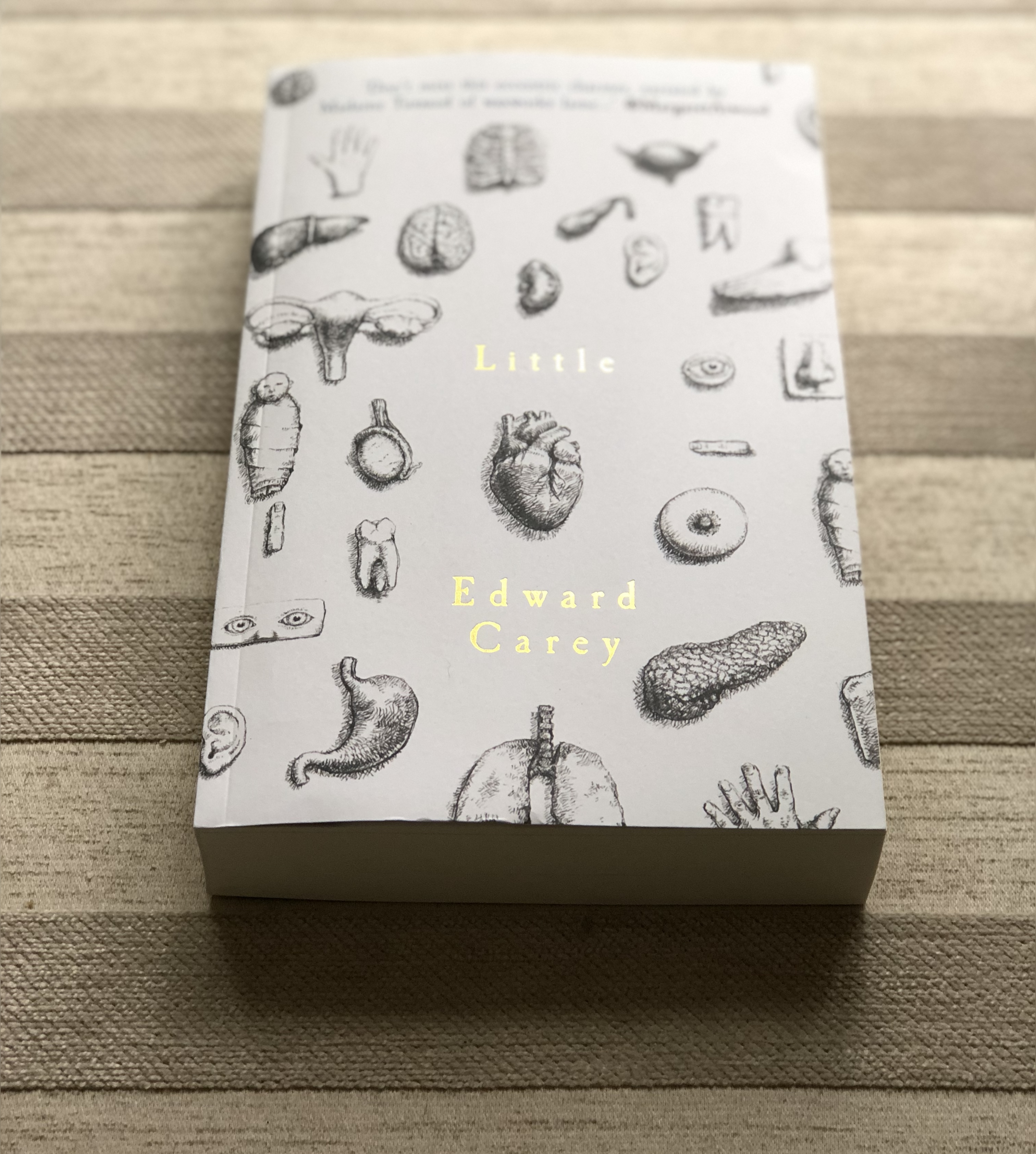
Little by Edward Carey

img_2007

Edward Carey: Little

Published By: Gallic Books

Buy It: here

What The Blurb Says:

There is a space between life and death: it’s called waxworks

Born in Alsace in 1761, the unsightly, diminutive Marie Grosholtz is quickly nicknamed ‘Little’. Orphaned at the age of six, she finds employmet in Bern, Switzerland, under the charge of reclusive anatomist, Dr Curtius. In time the unlikely pair form an unlikely bond, and together they pursue an unusual passion: the fine art of wax-modelling.

Forced to flee their city, the doctor and his protégée head for the seamy streets of Paris where they open an exhibition hall for their uncanny creations. Though revolution approaches, the curious-minded flock to see the wax heads, eager to scrutinise the faces of royalty and reprobates alike. At ‘The Cabinet of Doctor Curtius’, heads are made, heads are displayed, and a future is built from wax.

From the gutters of pre-revolutionary France to the luxury of the Palace of Versailles, from casting the still-warm heads of The Terror to finding something very like love, Little is the unforgettable story of how a ‘bloodstained crumb of a girl’ went on to shape the world…

What I Say:

“Wax, also, is privacy.  Wax seals letters.  Wax keeps all the world’s words where they should be, until the right hands come to let them out.”

Sometimes you see a book, and you know that it is going to be special.   I was very lucky to receive this copy from Gallic Books.  I am writing this, because when you find a novel that keeps sneaking back in to your mind weeks after reading it, you want the world to know about it.

Little, of the title, is Marie Grosholtz.  Her father dies, she and her mother, in desperate need of money and a place to live, start to work for the mysterious Doctor Curtius.  Unable to cope without her husband, and feeling she has let her daughter down, Little’s mother commits suicide.  This leaves Little and Doctor Curtius alone and unsure of what to do about each other.  Some unseen bond seems to draw them together from the start, and Doctor Curtius assumes the role of Little’s guardian.

What makes this relationship different to a traditional parent child one, is that Doctor Curtius is famed for his work with wax.  From the very start, Marie is fascinated by the medical equipment and the body parts that he has all around his house.  She is not in the least phased by the seemingly macabre pursuits he has, but instead is fascinated by them and is desperate to learn.

Curtius realises that a city like Paris would have far more potential for models for his wax works, so he takes Marie (who is known as Little due to her diminutive stature) to live with Widow Picot and her son Edmond.  Widow Picot views Curtius and especially Little as inconveniences who inhabit her space. You sense that Little is slowly fading into the background.

What is one of the most interesting and timely ideas in the novel, is the notion of celebrity.  Curtius becomes more in demand as he makes wax heads of the famous and notorious of Paris. To be immortalised in wax and to be famous enough to be displayed becomes increasingly important to the great and good (and not so good).  If your wax head is chosen to be exhibited, you matter, and your place in society is secured.  However, once you are no longer relevant, the wax head is melted, ready to be moulded into the shape of the next newsworthy person.  Your success is measured by how long your wax head is on display.

Curtius’ reputation and success grows, and along with Little, Widow Picot and Edmond, they move into a larger house.  Curtius realises he is falling in love with the Widow, and Edmond and Little are getting closer.  Widow Picot is proving herself to be an astute businesswoman.  Business is booming and Little is permitted to start working with Curtius again.  When they are able to meet and make a wax head of Voltaire, their display becomes the must see exhibition and makes Edmond a very eligible bachelor.  When Edmond is forced to marry the daughter of a print factory owner, Little is bereft.

It is at this point that Little meets Princess Elisabeth, and she is called to the palace to become Princess Elisabeth’s sculptor tutor.  What no one could foresee is that for the next eleven years, Little’s home is a cupboard in Versailles Palace.

img_2293

Little seems to be nothing more that a possession, a plaything for the Princess.  She brought out of her cupboard, played with and then sent back again. For many, this would seem to be a life of misery.  Little understands that this is now her chance to make herself indispensible to Princess Elisabeth, and sets about working to ensure she is a vital part of the Princess’ life. They start to fall in love and one cannot function without the other.

When Elisabeth is no longer a viable marriage asset for the family, she is sent to a far wing of the castle and Little goes with her. When the Widow and her family arrive at the Palace with wax heads of the royal family that Little has smuggled to them, Little is dismissed from the Palace in disgrace.

France is now in a complete state of turmoil, the Revolution is in full swing, and the family is destitute as their bookkeeper has disappeared with their money.  What Edward Carey does with such mastery is to weave in French history seamlessly throughout the novel.  Monarchs are overthrown, the French Revolution moves apace and the celebrated wax figures are of those who lost their lives to the cause- Revolutionaries bring dismembered heads demanding that these martyrs are captured for eternity.

Edmond is back home, a changed man after having a breakdown, and Little is the only one who can reach him.  When the occupants of the house are rounded up and arrested, Edmond is left in the attic and to his death.  The Widow is executed and finally Little and Curtius find their way back to each other.  He allows her to call him Uncle – the family that has eluded her for so long is now right in front of her.  Little knows that to be accepted into society she has to marry, so chooses Francois Joseph Tussaud.  Little is no more, and instead, Madame Tussaud is the name that will be remembered throughout history.

Little is an astounding novel.  It is breathtaking in its historical scope and detail, and you will be completely absorbed by every twist and turn of Little’s life and those around her.  Edward Carey’s amazing illustrations make you feel as if you are reading Little’s diaries and serve only to bring the reader even closer to her.

Love, motherhood, what it means to be a parent and the power of celebrity are all part of this stunning novel.  However, at the very heart of it, and in every single page you read, is Little and her determination to finally be heard.

I hope that Little finds a space on your bookshelf and a place in your heart.

img_2292

Many call me Madame Two-Swords.  I am rather a public building.  I used to tell my visitors the story of my life.  Is it all true? they wondered.  Wax, I told them, does not know how to lie”.
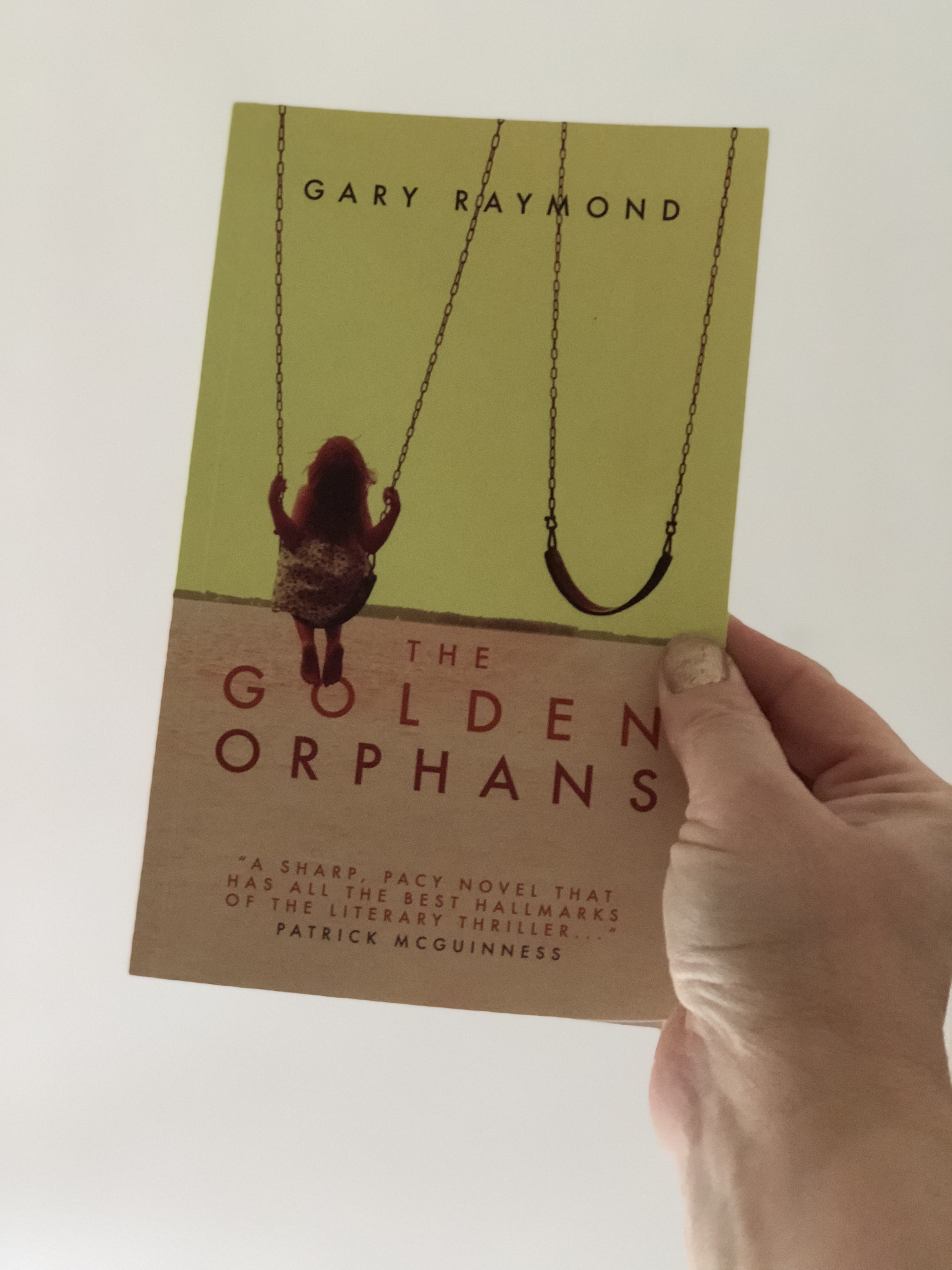
The Golden Orphans by Gary Raymond

img_1658

Gary Raymond: The Golden Orphans

Published By: Parthian

What The Blurb Says:

Within the dark heart of an abandoned city, on an island once torn by betrayal and war, lies a terrible secret…

Francis Benthem is a successful artist; he’s created a new life on an island in the sun. He works all night, painting the dreams of his mysterious Russian benefactor, Illy Prostakov. He writes letters to old friends and students back in cold, far away London. But now Francis Benthem is found dead. The funeral is planned and his old friend from art school arrives to finish what Benthem had started. The painting of dreams on a faraway island. But you can also paint nightmares and Illy has secrets of his own that are not ready for the light. Of promises made and broken, betrayal and murder…

The Golden Orphans offers a new twist on the literary thriller.

What I Say:

“As I say, this is a crazy island. What you see is more than you can possibly understand, and you don’t see the half of it”.

I have to say from the outset, that The Golden Orphans is not a novel I would ever have chosen to read. It is something that is completely out of my reading comfort zone, and to be honest, before starting my blog, I would not even have considered picking it up.

This is what reading for me is all about. Challenging yourself, having the confidence to try reading something different. Honestly, try it – then you might find a novel like The Golden Orphans.

Francis Benthem seemingly had an idyllic life. Living on the beautiful island of Cyprus, painting the dreams of his benefactor Illy Prostakov, it would seem that he had everything he could need. However, when Francis is found dead, our Narrator comes to the island to attend the funeral and without warning is gradually drawn into the mysterious world that Francis inhabited.

We never learn the name of the Narrator, but for me, that added a sense of mystery and timelessness to the novel. It could be something that happens at any time to any of us. We know that he is in a relationship with a woman called Clare, and that their communication is limited to a series of terse and distant phone calls, which serves only to show the cracks that are already appearing in their relationship.

When the Narrator decides to see for himself how Francis worked, he goes to Prostakov’s house to understand what his friend was doing so far away from home. As Francis has left all his possessions to the Narrator, he needs to visit Prostakov. When he finally meets Prostakov, the Narrator is the link between the two men, and he is offered Francis’ job. He is also introduced to two young girls, Dina and Darya, who the Narrator assumes to be his children.

All he has to do apparently, is paint Prostakov’s dreams. The thing is, that is all he is told. Prostakov will describe them, the Narrator has to paint them until he gets it right, but you sense that if he does not do it properly, there may be dire consequences.

This is the start of The Narrator’s intiation into the mysterious world of Prostakov. Little by little he is leaving the safe world he has known for so long, and is now entering a time and place that will mean he is slowly retreating from reality and is being cocooned from the world outside..

The Narrator is aware that he is walking into something that might be dangerous, and attempts to find out from the locals exactly who Prostakov is – and they are not telling.

I felt that this was a clever way of disorienting the reader. We, like the Narrator have no idea where this is leading us, no one is talking and we are as much in the dark as he is as to who Prostakov is. He is in a foreign country and his friend has died working for the very man he is trying to appease. Stelly, a man who works for Prostakov tells the Narrator that he was painting maps for his boss, and that he wanted him to keep painting until he got the details right. You immediately sense that Prostakov’s desire to keep the men painting is something far more than a narcissistic desire to have himself immortalised.

The Golden Orphans is set in Cyprus, and for me, I was completely naive about the history and the culture of this island. The Orphans of the title refer to the 30 children who had no parents when the Turks invaded. As the novel moves along, slowly we start to understand exactly why they are so important to Prostakov..

This is where the novel switches up a notch – up to this point, it had been a slow burning, eloquent exploration of Cyprus and the mystery as to why the painting was so important to Prostakov. What happens next, (and no, I am not going to tell you, buy The Golden Orphans!), suddenly hurtles this novel firmly into the thriller and action genre. The plot moves along at a breakneck speed, moving us one way and pulling us back another. It is intelligent, thought provoking and more importantly, had me turning the pages faster and faster as I wanted to find out what happened! It has all the hallmarks of a fascinating novel that would be a perfect television series.

The Golden Orphans is much more than a thriller novel. It is a compassionate study of a world I knew nothing about, a love letter to Cyprus and a way of understanding the history of an island that has seen so much in its history. If you are looking for a fast paced, elegantly written and poignant novel about love, life and the strength of the human spirit, The Golden Orphans should be added to your reading list immediately.

About Gary Raymond:

Gary Raymond is a novelist, critic, editor and broadcaster. He is the presenter of BBC Radio Wales’, The Review Show, and is one of the founding editors of Wales Arts Review. He is the author of two novels, The Golden Orphans (Parthian, 2018) and For Those Who Come After (Parthian, 2015). He is a widely published critic and cultural commentator.

Social Media:

Twitter: https://twitter.com/GaryRaymond_

Facebook: https://www.facebook.com/forthosewhocomeafter1/

Amazon Author Page: https://www.amazon.co.uk/Gary-Raymond/e/B07FTSDY12/ref=dp_byline_cont_ebooks_1

Purchase Links

Amazon UK: https://www.amazon.co.uk/Golden-Orphans-Gary-Raymond-ebook/dp/B07BSP5QNM/ref=asap_bc?ie=UTF8

Amazon US: https://www.amazon.com/Golden-Orphans-Gary-Raymond-ebook/dp/B07BSP5QNM/ref=sr_1_1?ie=UTF8&qid=1538303201&sr=8-1&keywords=the+golden+orphans&dpID=4198UgMGu5L&preST=_SY445_QL70_&dpSrc=srch

Waterstones: https://www.waterstones.com/book/the-golden-orphans/gary-raymond/9781912109135

Book Depository: https://www.bookdepository.com/Golden-Orphans-Gary-Raymond/9781912109135?ref=grid-view&qid=1538303257382&sr=1-1

NOOK: https://www.barnesandnoble.com/w/the-golden-orphans-gary-raymond/1128322874?ean=9781912109272

Kobo: https://www.kobo.com/gb/en/ebook/the-golden-orphans

Publishing Information:

Published by Parthian Books on 30th June 2018.

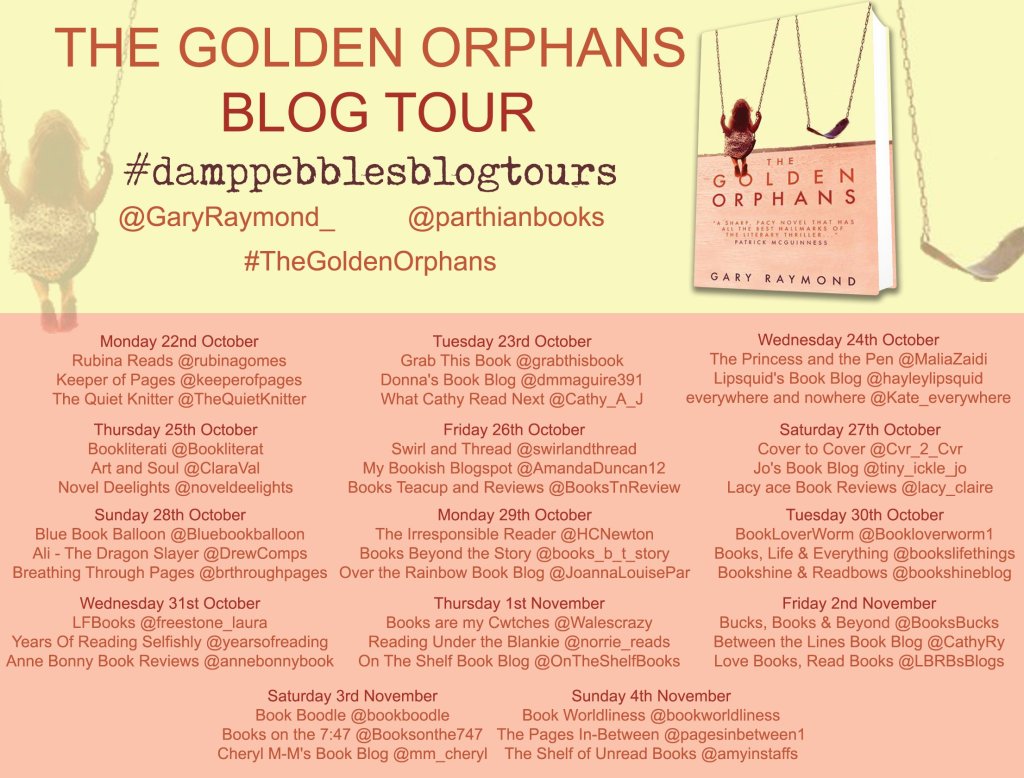
The Golden Orphans Blog Tour continues with and has featured all these amazing bloggers. Have a look to see what they have been saying about #TheGoldenOrphans …

the golden orphans banner (1)89156568..jpg